Identifying the Correct Professional Water Damage Restoration Category
In order to execute an effective professional water damage restoration plan, you must first identify the liquid’s contamination level and physical state. Specifically, this initial assessment is crucial because it dictates every subsequent step of the recovery process. Moreover, without a precise identification of the water category, you risk using incorrect sanitization methods. Therefore, understanding these factors is the only way to ensure a safe and successful restoration. The IICRC S500 Standard classifies water into categories based on contamination and classes based on the evaporation rate.
Category 1: Clean Water and Expert Flood Recovery
This category includes sources like broken supply lines or falling rainwater. While it is the easiest to treat, an expert flood recovery specialist must dry the area within 24 to 48 hours. Otherwise, the water quickly degrades into a more hazardous category.
Category 2: Gray Water Mitigation Services
Gray water contains significant contamination. Common sources include discharge from dishwashers or washing machines. In these cases, specialized water mitigation services perform mandatory sanitization and deep cleaning to ensure your safety.
Category 3: Black Water and Flood Restoration Specialist Needs
This highly unsanitary liquid contains pathogenic agents. To protect your home, a flood restoration specialist must remove porous materials immediately, as they usually become unsalvageable.
Expanded Classifications for Advanced Professional Water Damage Restoration
Class 4: Specialty Drying for Professional Water Damage Restoration
This class refers to water damage affecting materials with very low porosity, such as hardwood or concrete. A professional water damage restoration specialist uses specialized industrial equipment to extract moisture from these deep-seated areas.
Stagnant Water and Emergency Cleanup Protocols
Even Category 1 water becomes Category 3 if left untreated. Our emergency water cleanup protocols handle these scenarios with advanced biocides to stop the rapid growth of bacteria and fungi.
Handling Biohazard and Property Water Damage Repair
This category involves water contaminated with chemicals or regulated materials. In these cases, the property water damage repair process follows strict environmental safety guidelines to ensure your home is legally safe.
Immediately: Emergency Water Mitigation Steps
Without a doubt, time is the most critical factor when dealing with moisture. For instance, if the intrusion involves clean water (Category 1), taking immediate action can prevent permanent damage and structural instability. Furthermore, acting quickly is essential to avoid costly microbial outbreaks. Consequently, if you wait too long, even clean water will degrade into a biohazard. Therefore, professional intervention must begin as soon as the leak is detected to ensure a successful recovery.
A professional water damage restoration approach begins with rapid extraction and an aggressive drying strategy to stabilize the indoor environment before secondary damage occurs. The window of opportunity to save organic materials like wood and carpet is narrow, typically 24 to 48 hours, making every minute count.
Manual and Mechanical Extraction for Professional Water Damage Restoration
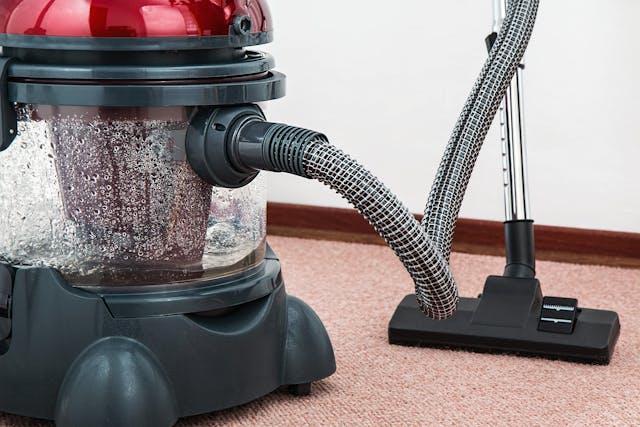
The first line of defense involves the physical removal of liquid water. You should remove as much standing water as possible using heavy-duty absorbent towels or a high-capacity wet/dry vacuum. The goal focuses on reducing the saturation levels in the carpet fibers before they reach the subfloor.
In an expert flood recovery scenario, specialists often use industrial weighted extractors or “rovers.” These machines use the technician’s weight to compress the carpet and padding, pulling moisture from the deepest layers that a standard vacuum simply cannot reach.
High-Velocity Airflow and Water Mitigation Services
Once you extract the liquid water, you must evaporate the remaining moisture. Position industrial centrifugal fans and axial air movers to create consistent cross-ventilation. This accelerates the evaporation process, which serves as a core principle of our water mitigation services.
By angling air movers specifically to create a vortex of airflow across the floor and walls, you can lift moisture from the deepest layers of the carpet pile and structural components. Proper airflow prevents the air from becoming “saturated” at the surface level, allowing the drying process to continue at a steady rate.
Advanced Dehumidification by a Flood Restoration Specialist
Deploying a professional-grade, LGR (Low Grain Refrigerant) dehumidifier is essential to pull moisture from the air. This action prevents secondary damage like wood warping, drywall softening, or mold growth on walls and ceilings. Without controlled humidity, the evaporated moisture lingers in the air as water vapor, eventually settling back into other organic materials.
A flood restoration specialist monitors the “grains per pound” (GPP) to ensure the air remains thirsty enough to continue pulling moisture out of the structure. This scientific approach is what separates a DIY attempt from a guaranteed result.
Moisture Monitoring and Professional Water Damage Restoration Verification
By acting within the first 24 hours, you significantly increase the chances of saving your flooring and maintaining a healthy indoor environment. However, “dry” represents a measurable standard, not a feeling.
Our professional water damage restoration team uses specialized tools like non-penetrating moisture meters and infrared thermal imaging cameras to identify hidden pockets of dampness behind baseboards or under the subfloor. Trusting these emergency steps ensures that the mitigation remains complete, scientific, and verifiable.
3. Deep Cleaning and Sanitization Protocols
Once you remove the excess moisture, a deep cleaning process becomes mandatory to eliminate odors and neutralize pathogens. A professional water damage restoration specialist focuses on removing hidden contaminants that regular vacuuming cannot reach.
Enzymatic Cleaners and Professional Water Damage Restoration
These specialized biological solutions break down organic residues at a molecular level. By attacking the source of the odor, they prevent future mold spores and bacterial colonies from colonizing the carpet backing. This represents a critical step in any professional water damage restoration project.
Additionally, our water mitigation services use neutral carpet detergents. These mild, surfactant-based cleaners are specifically formulated for manual scrubbing or extraction. They lift dirt and microorganisms from the fibers without leaving a sticky residue or damaging the delicate textile structure.
Dry Foam or Professional Steam Cleaning in Flood Recovery
For deep-seated odors, experts utilize hot water extraction (steam cleaning) or dry foam methods. These techniques reach high temperatures to kill bacteria while incorporating approved disinfectants.
An expert flood recovery specialist ensures that these methods work effectively without re-saturating the carpet, maintaining the perfect balance between thorough cleaning and rapid drying. Implementing these professional-grade cleaning agents is the only way to guarantee your home stays free of health hazards.
4. Odor Neutralization with Professional Products
To effectively eliminate persistent smells, a surface-level spray is simply not enough. A professional water damage restoration process requires high-grade neutralizing agents that target the source of the stench at a microscopic level.
Advanced Carpet Odor Neutralizing Sprays
These are not simple perfumes; they are chemically formulated to encapsulate and remove organic odors. A technician uses these to break down the volatile organic compounds (VOCs) that cause musty smells. Unlike household air fresheners, these sprays utilize pairing agents and molecular bonding to neutralize the scent at its source permanently.
Bio-Active Foam and Property Water Damage Repair
Bio-active antibacterial foam cleaners deeply penetrate the carpet pile and the primary backing. They eliminate hidden bacteria that thrive in damp environments, a cornerstone of property water damage repair.
Furthermore, we use EPA-approved textile disinfectants. These solutions are crucial for black mold removal without damaging delicate fibers. They neutralize airborne spores that settle during the final stages of the drying process, ensuring the space is biologically safe.
Enzymatic Digesters and Thermal Fogging by a Specialist
In severe cases, a flood restoration specialist may employ thermal fogging or enzymatic digesters. These enzymes literally “eat” the organic matter that causes odors, such as sewage proteins.
Fogging allows neutralizing agents to reach deep into wall cavities where traditional cleaning cannot reach. This level of detail is what separates a DIY attempt from a professional water damage restoration success story. By combining these industrial-strength products, you don’t just hide the odor—you eliminate the biological threat.
5. Professional Products for Deep Decontamination
To effectively eliminate persistent smells and drastically reduce microbial growth, a surface-level spray is simply not enough. A professional water damage restoration process requires high-grade neutralizing agents that target the source of the stench at a microscopic level.
Advanced Carpet Odor Neutralizing Sprays in Restoration
These are not simple perfumes or masking agents; they are chemically formulated to encapsulate and remove organic and microbial odors. A professional water damage restoration technician uses these to break down the volatile organic compounds (VOCs) that cause that classic “wet dog” or musty smell.
Unlike household air fresheners that merely cover odors, these professional sprays utilize pairing agents and molecular bonding to neutralize the scent at its source.
Bio-Active Foam and Property Water Damage Repair
These advanced solutions clean the surface while deeply penetrating the carpet pile and the primary backing. They eliminate hidden bacteria and microorganisms that thrive in damp, dark environments.
This deep-penetration technology is a cornerstone of property water damage repair, particularly for high-traffic areas. By using surfactants that lower the surface tension of water, these foams reach the “impossible” places where mold spores typically begin their colonization after a flood.
Certified Textile Disinfectants for Expert Flood Recovery
These are professional-grade, EPA-approved solutions that eliminate bacteria, mold, and fungi. Their use is a standard part of expert flood recovery, as they support effective Black Mold Removal without damaging delicate carpet fibers.
These disinfectants are crucial for restoring indoor air quality, as they neutralize airborne spores that settle during the final stages of the drying process. In cases of Category 2 or 3 water, these broad-spectrum antimicrobials are the only way to guarantee the space is safe.
Enzymatic Digesters and Fogging by a Flood Restoration Specialist
In severe cases, a flood restoration specialist may employ thermal fogging or enzymatic digesters. These enzymes literally “eat” the organic matter that causes odors, such as urine or sewage proteins.
Fogging allows the neutralizing agents to reach deep into wall cavities and structural headers. This level of detail is what separates a DIY attempt from a professional water damage restoration success story. By combining these specialized products with professional expertise, you eliminate the biological threat behind the odor.
6. Future Prevention: Protecting Your Home from Moisture
Finally, the final and most critical phase of a professional water damage restoration project is ensuring the issue never returns. In fact, prevention is not merely about drying the visible surface; instead, it is about masterfully controlling the indoor environment to inhibit the biological conditions that allow mold to thrive. Furthermore, long-term property protection requires a proactive mindset and a deep understanding of how moisture interacts with structural materials..
Ensure Total Dryness for Professional Water Damage Restoration
Never assume a carpet is dry just because it feels dry to the touch. In the world of professional water damage restoration, technicians use advanced, non-invasive moisture meters and thermal imaging cameras to check the subfloor and the padding underneath.
Moisture trapped in these hidden layers is the primary cause of delayed mold growth and “dry rot.” If deep-seated moisture isn’t addressed by an expert flood recovery team, the organic components of your home will continue to degrade silently.
Optimize Ventilation and Water Mitigation Services
Keep fresh air moving in areas that were wet before. Still air helps mold grow, so it is important to let air flow through the rooms. This stops damp spots from forming in dark corners. Good airflow dries out any leftover moisture and keeps your home’s air clean and healthy.
Humidity Control and Professional Water Damage Restoration
In damp places like basements or laundry rooms, using a dehumidifier makes a big difference. Keeping the moisture in the air low is a top rule in water damage work. It is best to keep humidity below 50% to stop mold from growing and keep your home dry.
This threshold is critical because most mold species require higher humidity levels to colonize. By controlling the “thirsty” air, you prevent future water damage and stop the proliferation of allergens like dust mites and mildew.
Regular Inspections by a Flood Restoration Specialist
Proactive homeowners should schedule annual inspections with a flood restoration specialist to check for slow leaks or roof compromises. Detecting a small leak before it becomes a Category 3 flood is the most effective way to protect your investment.
By following these professional-grade steps, you do more than just clean a mess—you safeguard your financial investment and ensure a healthy, odor-free, and safe environment for your family.
Category 2 or 3: Gray or Black Water Hazards (Advanced Mitigation)
Specifically, when dealing with contaminated water, the approach changes from simple drying to rigorous biohazard control. For instance, if your carpet has been exposed to gray or black water, professional water damage restoration is not just a recommendation; instead, it is a safety requirement. This is because it prevents severe health complications, long-term respiratory issues, and permanent structural contamination. Furthermore, the presence of pathogens requires a specialized protocol that goes beyond surface cleaning.
- Comprehensive Risk Assessment: Gray water (Category 2) and Black water (Category 3) contain harmful bacteria, viruses, and chemical residues that pose immediate threats. A professional water damage restoration team will evaluate the porous materials, such as carpet, padding, and tack strips, which often act as a microscopic sponge for these pathogens. In most Category 3 cases, such as sewage backups, septic failures, or rising river flooding, the carpet and the underlying cushion are considered unsalvageable. These materials must be professionally removed and disposed of according to environmental regulations to eliminate the risk of infection and cross-contamination to unaffected areas of the home.
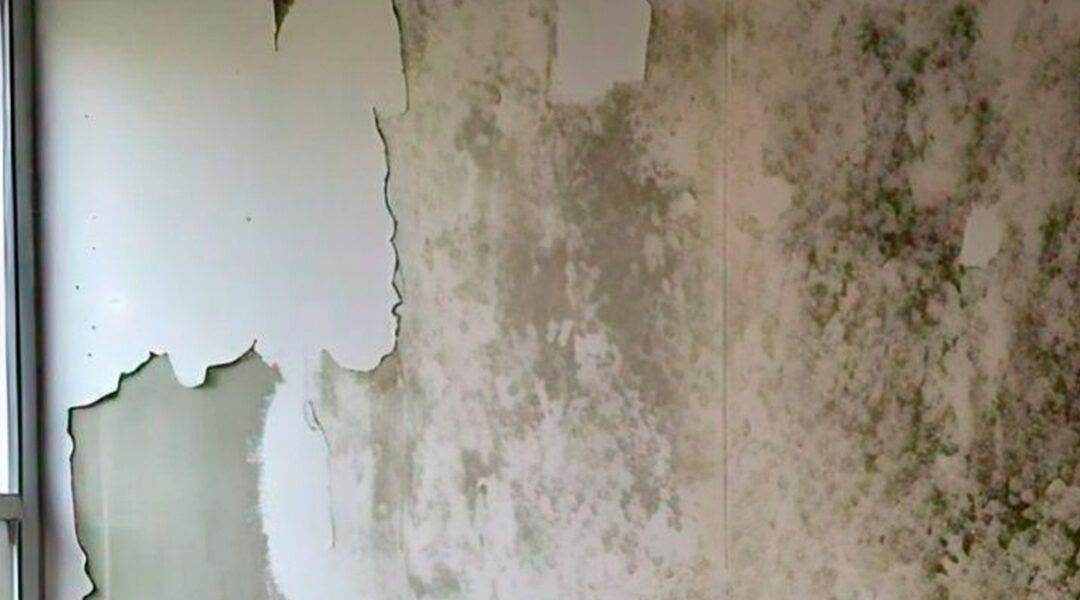
- Specialized Black Mold Removal and Prevention: Contaminated water is the primary catalyst for rapid, toxic mold growth. If the area remains damp for more than 24 hours, specialized Black Mold Removal protocols must be initiated immediately. This involves the use of industrial-grade HEPA (High-Efficiency Particulate Air) filtration and negative air pressure machines to ensure that microscopic spores do not become airborne. Without these professional water damage restoration safeguards, spores can travel through your HVAC system and infest the rest of the property, creating a widespread biological hazard. Antimicrobial treatments are then applied to the framing and subfloor to neutralize any lingering fungal roots.
- Advanced Decontamination Protocols: Beyond just cleaning, a professional water damage restoration expert uses EPA-registered, hospital-grade disinfectants to sanitize the subfloor and surrounding structural components. This rigorous process ensures that once a new carpet is installed, the environment is sterile and safe for all inhabitants. By addressing the “unseen” contamination, we prevent the return of foul odors, hidden fungal growth, and the buildup of volatile organic compounds. Trusting a professional water damage restoration service ensures that your property is not just dry, but biologically clean and safe for your family or employees.