· The Importance of a Professional Mold Remediation Service for Your Health
-
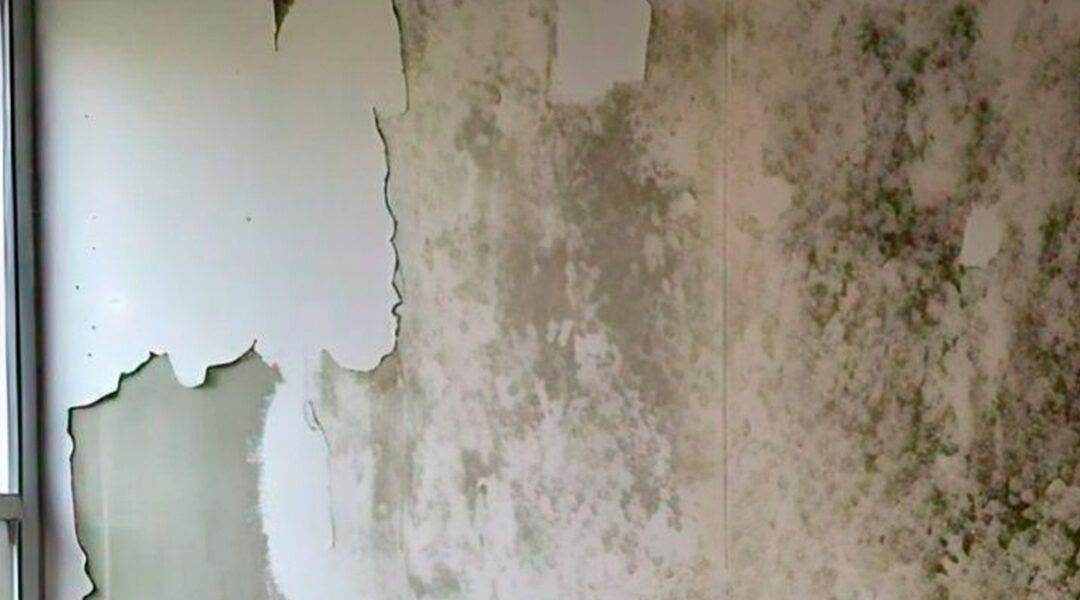
Engaging a professional mold remediation service is vital because mold is a microscopic fungus that, when it develops indoors, releases millions of spores into the air. These airborne spores, when inhaled, can have serious health consequences—especially in enclosed or poorly ventilated spaces.
Common symptoms: Initial exposure may cause mild discomfort such as nasal congestion, sneezing, eye irritation, skin redness or itching, and sore throat.
Pre-existing conditions: People with asthma, allergies, lung conditions, or weakened immune systems are particularly vulnerable. In these individuals, exposure can intensify respiratory symptoms, trigger asthma attacks, and even require hospitalization.
Severe illnesses: Prolonged exposure can lead to more serious respiratory issues, such as chronic bronchitis, hypersensitivity pneumonitis (a lung inflammation caused by inhaling mold spores), and recurrent respiratory infections.
Damp work environments: Epidemiological studies show that over 50% of individuals working in humid or poorly ventilated environments report symptoms such as persistent coughing, shortness of breath, and chronic fatigue, often requiring a professional mold remediation service to resolve the underlying issue.
In addition to physical health, mold can also impact mental well-being—causing anxiety, sleep disturbances, and reduced cognitive performance in highly contaminated indoor areas.
Structural Protection and Professional Mold Remediation Service
Mold doesn’t just affect health—it also poses a serious threat to the structural integrity of a property, making a professional mold remediation service essential.
-
Material degradation: Most mold species feed on organic materials commonly found in homes, such as wood, drywall, insulation, and cardboard. When exposed to moisture, these materials become prime environments for mold to grow and spread rapidly.
-
Weakened structures: If mold is left untreated, it gradually breaks down the fibers and components of these materials, compromising walls, ceilings, floors, and even support beams. Over time, this can lead to significant structural weakening, requiring costly repairs or reconstruction.
-
Rapid colonization: Research shows that mold can begin to colonize a damp surface within just 24 to 48 hours after a water intrusion event. For more detailed technical guidance on moisture control, you can consult the United States Environmental Protection Agency (EPA) guide on mold.
-
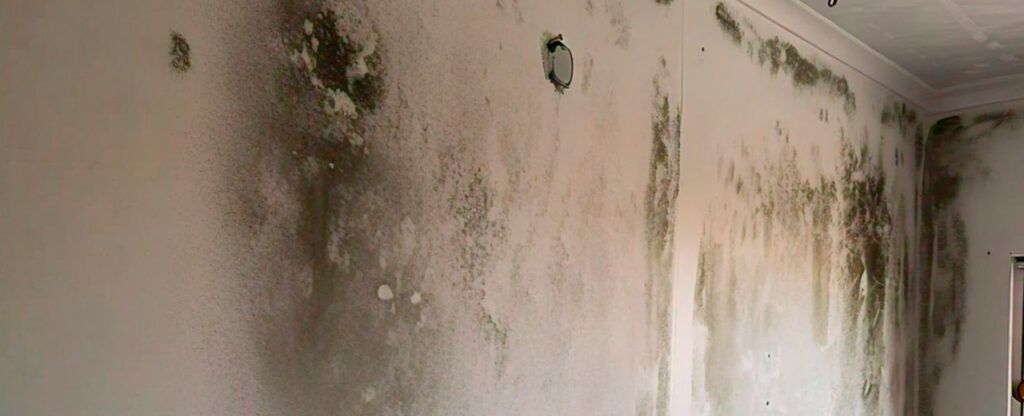
Hidden growth: Mold often spreads behind walls, under floors, or in HVAC systems, making it hard to detect without a professional inspection. By the time visible signs appear, damage may already be extensive.
Economic Costs
Failing to address mold early leads to significant financial consequences. Damage worsens over time and spreads across larger areas of the property.
-
Avoiding Escalating Remediation Costs with a Timely Mold Remediation Service: Early mold removal is typically localized, quicker, and more affordable. However, once mold spreads, remediation involves replacing affected materials like drywall, flooring, and structural components.
-
Silent spread: Mold thrives in moist environments. It colonizes porous materials like drywall easily. This allows contamination to spread undetected throughout the property.
-
Loss of personal belongings: In severe cases, mold destroys furniture, electronics, and fabrics beyond repair. These situations require full replacement of your items.
-
Preventing Decreased Property Value via a Mold Remediation Service: A mold-affected home suffers a lower market value. This makes selling or renting the property harder. Often, owners must complete costly repairs before listing the home.
-
Indirect expenses: Delaying action creates extra costs. These include temporary relocation, loss of rental income, and higher insurance premiums.
In summary, delaying mold mitigation doesn’t just threaten health and structural integrity—it also results in growing and often preventable financial burdens.
· Indoor Air Quality and Household Discomfort.
Mold produces a persistent, musty odor that is difficult to eliminate. More importantly, it releases microscopic spores and mycotoxins into the air, which significantly degrade indoor air quality. These airborne contaminants can trigger a range of health issues for occupants, including frequent headaches, chronic fatigue, eye and respiratory tract irritation, nasal congestion, and difficulty concentrating. Prolonged exposure may worsen symptoms for individuals with asthma, allergies, or other respiratory conditions, compromising overall well-being and comfort inside the home.
How Hidden Growth Accelerates Mold Spread and the Need for a Mold Remediation Service
Mold growth is heavily influenced by environmental factors such as temperature, humidity, and time. Once established, mold colonies can expand rapidly if the underlying moisture problem persists. Mold spores are incredibly lightweight and can easily travel through air currents, ventilation ducts, and HVAC systems. This airborne spread leads to cross-contamination, where mold spores settle and colonize previously unaffected areas, including rooms and materials that were once mold-free. The risk of widespread contamination increases the longer mold remains untreated, making early intervention critical.
· Economic, Legal, and Emotional Consequences: Why a Mold Remediation Service is a Necessary Investment
Mold contamination can significantly reduce the market value and appeal of a property. Potential buyers or renters are likely to be deterred by visible mold or a history of mold issues, making it difficult to sell or lease the property at fair market value. For property owners and landlords, failing to address mold problems promptly can result in legal liabilities, as many insurance policies explicitly exclude coverage for mold damage caused by neglect or delayed maintenance. This can leave property owners financially responsible for expensive remediation and repair costs. Beyond the financial impact, living in an environment contaminated by mold can cause emotional distress, including anxiety, frustration, and feelings of helplessness. The psychological toll of coping with ongoing health concerns and property damage often affects the quality of life of residents, underscoring the importance of timely and effective mold mitigation.
· Prevention and Mitigation
To avoid these problems, it is crucial to act quickly at any sign of mold. Keep your home well-ventilated, control humidity, and repair any water leaks immediately. If you find mold, it is best to contact professionals for proper remediation.
If you don’t know how to mitigate mold or it has already damaged your property, at Expert Pro Restoration, we can help. Contact us today!